
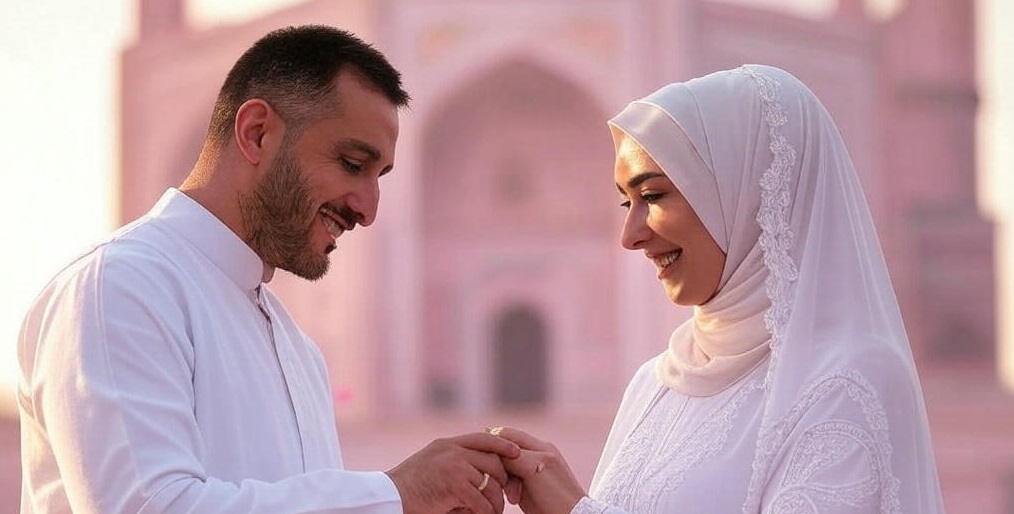
International Muslim marriage needs practical clarity
International Muslim marriage can begin with a sincere message, a thoughtful profile and a serious intention. But good intention alone is not enough. When two people live in different countries, cities or cultural settings, practical questions become part of the process from the beginning.
People who search for Russian Muslim singles may live in Russia, Europe, the Middle East, Central Asia or another region. Some may share a similar background. Others may have different languages, family habits, legal situations and expectations about married life. These differences do not make marriage impossible, but they need honest discussion.
A mature approach means asking practical questions before emotions become too strong. Where would the couple live? Which language would they use at home? How would family be involved? What documents might be needed? Is relocation realistic? These topics may feel less emotional than the first stage of communication, but they protect both sides from confusion later.
Language differences and daily communication
Language is not only about the first messages. It affects daily life, family visits, religious learning, documents, future children and even small household decisions. If two people do not share a strong common language, they need to understand how they will communicate clearly after marriage.
Online translation can help at the beginning, but it should not replace real understanding. A translated message may sound polite while still hiding important details. Humor, family expectations, emotional tone and religious terms can be misunderstood. Before moving toward serious plans, both sides should know whether they can discuss difficult topics without confusion.
It is also useful to think about family communication. If one side's parents do not understand the other person's language, who will help with introductions? Will conversations happen through relatives, translation apps or a shared language? These details matter when family approval, Nikah discussions or future visits become part of the process.
Distance, travel and realistic expectations
Distance can make communication feel special at first, but it also creates real limits. Time zones, travel costs, visa rules, work schedules and family duties can slow down the process. A person may be sincere and still unable to travel quickly. Another may be ready for marriage but unable to leave their city because of parents, children, work or studies.
For anyone considering Russian Muslim marriage across borders, expectations should be realistic. It is better to ask early whether meeting in person is possible, when it could happen and what conditions would make it appropriate. A serious visit should not be planned only on emotions.
Distance also affects trust. When people cannot meet easily, they may rely too much on messages, calls and promises. This can create a false feeling of closeness. Careful communication means checking consistency over time, asking normal questions and not rushing into financial or personal commitments before there is real verification.
Family involvement across countries
Family may be important in many Muslim marriage processes, but distance can make family involvement more complex. Parents may want to know who the person is, where they live, what their family background is and how serious the intention is. When countries are different, these questions can become even more practical.
Some families may want an early introduction through a video call. Others may prefer that both people speak first and involve relatives once there is a real reason to continue. Some may want advice from an imam, scholar or trusted elder. The timing can vary, and it should be discussed respectfully.
It is important not to use family as pressure. A person should not be forced into private contact, travel or a formal step before basic trust exists. At the same time, if family involvement is essential for one side, this should be said honestly. Silence on this topic can lead to disappointment when the relationship becomes more serious.
Relocation, documents and local rules
Relocation is one of the biggest questions in international marriage. It affects work, housing, children, education, health care, family support and legal status. Before making promises, both sides should understand whether relocation is possible and what it would actually require.
Documents and local rules can also be complicated. Marriage registration, immigration status, residence permits, name changes, religious marriage procedures and civil requirements may differ from country to country. Legal and immigration rules can change, so users should check official sources or speak with qualified professionals before making decisions. RusNikah does not provide legal advice.
This is especially important when communication moves from online interest to real plans. A person may say that relocation is simple, but the reality may be different. Always verify requirements through official channels. Do not rely only on what another user says, even if the conversation feels sincere.
Religious practice and future family life
Religious practice should be discussed with care. People may share Islam but still differ in daily habits, family customs and expectations. One person may expect a strongly structured religious household. Another may be practicing but still learning. Someone may want regular family study, mosque involvement or clear halal boundaries in daily life.
These differences should not be turned into arguments in the first messages, but they should not be ignored either. If Nikah and marriage are the goal, both sides need to understand what faith will look like in everyday life. This includes prayer, modesty, food, children, family visits, social life and the way disagreements are handled.
For people using Muslim matrimonial Russia pages, the religious side of marriage should be connected with practical responsibility. Faith is not only a word in the profile. It affects decisions, priorities and the future home.
Using online communication carefully
Online communication can be useful when people use it with patience. A profile helps you understand basic information. Messages help you notice tone, seriousness and consistency. Calls can help when both sides feel ready. But each step should have a clear purpose.
Before writing, read the profile fully. Before asking private questions, explain why the topic matters. Before moving outside the site, make sure there is enough trust. If you are unsure how the platform works, the page about how RusNikah works can help you understand the first steps.
Good online communication should not be endless and unclear. It should help both people decide whether a serious next step makes sense. If values, distance, language, family and relocation expectations are too different, it is better to understand that early and part respectfully.
Safety before planning a visit
Before visiting, sending money, sharing documents or moving communication outside the site, users should be careful and verify information. Do not rush to share passport scans, payment details, private codes, bank information, home address or personal documents. Do not send money for tickets, emergencies, visas or gifts to someone you have not properly verified.
A first visit should be planned carefully. It is safer to meet in appropriate public or family-aware settings, depending on personal and religious expectations. Tell trusted people where you are going. Keep your own documents and money under your control. If something feels rushed, unclear or emotionally forced, slow down.
International Muslim marriage can be a serious and dignified path, but it needs more than warm words. It needs clear language, realistic plans, family understanding, legal awareness, religious care and strong privacy boundaries. Online communication can open the door, but the next steps should be taken with patience and good judgment.
Leave a Comment