
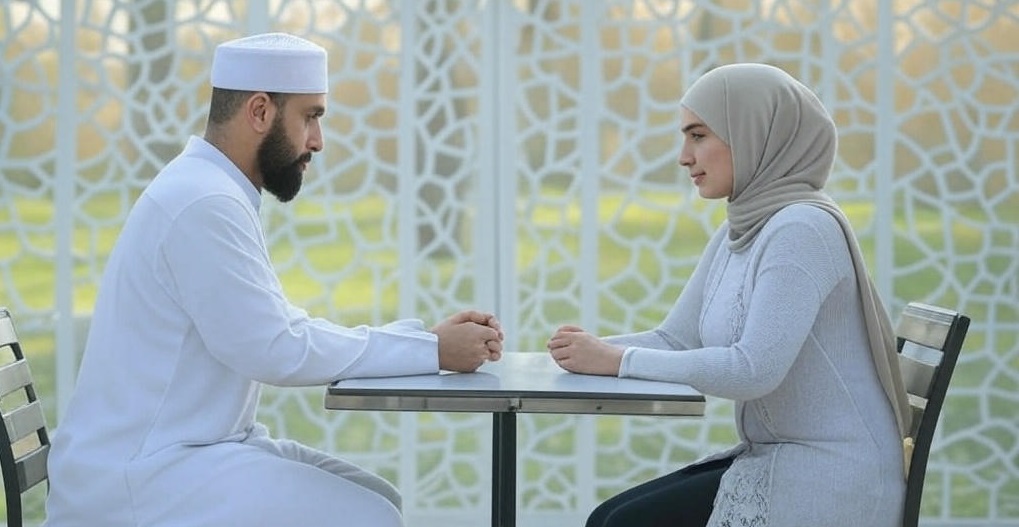
What Nikah means in Muslim marriage
Nikah is one of the most important words in Muslim family life. In a general sense, it refers to the Islamic marriage contract and the serious commitment that comes with it. It is not just a romantic idea, a public label or a way to make online communication sound more serious. Nikah is connected with intention, responsibility, consent, rights, duties and the beginning of family life.
People who search for Russian Muslim Nikah may come from different cities, regions and family backgrounds. Some already understand the process well. Others are still learning and want to move toward marriage in a respectful way. In both cases, it is important to treat Nikah carefully and not reduce it to a simple phrase in a profile.
This article is a general introduction. It does not replace an imam, scholar, family advice, legal advice or local marriage requirements. Personal situations can differ, and religious questions should be discussed with someone qualified and trusted.
Nikah is not casual dating
On a Muslim dating site, people may begin with messages, profile reading and careful questions. That first stage can be online, but the intention should still be serious. Nikah is not casual dating and should not be used as a comfortable word while behaving without responsibility.
For people interested in halal Muslim dating in Russia, this difference matters. A respectful search does not mean rushing into marriage after a few messages. It also does not mean endless unclear communication without direction. The healthier path is usually somewhere between these extremes: careful introduction, honest intention, proper boundaries and serious discussion when both sides feel there may be compatibility.
If a person says they are looking for Nikah, it is fair to ask what they mean by that. Are they ready for marriage soon? Do they need time? Is family involvement important? Are they open to religious guidance? These questions help make the conversation real.
Consent, intention and responsibility
Consent is central to any serious marriage discussion. Both people should be free to say yes, no or not yet. Pressure is not a sign of faith or seriousness. A person should not be pushed into a promise, a private call, a meeting, family involvement or a marriage decision before they are ready.
Intention is also important. If someone is only looking for entertainment, they should not speak as if they are ready for Nikah. If someone is serious about marriage, they should communicate in a way that matches that intention. This means being honest about age, family status, children, city, expectations, religious practice and future plans.
Responsibility includes practical life as well. Marriage is not only about feelings. It includes daily habits, finances, housing, family relationships, possible relocation, children and the way two people handle disagreement. These topics may feel serious, but avoiding them can create bigger problems later.
Family involvement and witnesses
In many Muslim families, marriage discussions do not stay private forever. Family involvement may be important, especially when communication becomes serious and both sides begin thinking about Nikah. The timing can differ. Some families prefer early involvement. Others allow two adults to speak respectfully first, then introduce relatives when there is a real reason to continue.
Witnesses are also often discussed as part of the Nikah process. The exact details should be clarified with proper religious guidance, because people may follow different scholarly views, local customs and legal procedures. It is better not to rely only on online comments or personal guesses when the question is important.
For those exploring Muslim marriage in Russia, it is useful to ask early enough how the other person sees family participation. Does their family expect to be involved before a meeting? Would they prefer to speak with an imam? Are they comfortable discussing the process openly? These questions can be asked with respect, not pressure.
Mahr and practical expectations
Mahr is another topic that people often associate with Nikah. It should be discussed seriously and respectfully, not as a performance or competition. The exact approach may depend on religious guidance, personal circumstances and family expectations. What matters in communication is clarity, honesty and dignity.
Practical expectations also go beyond mahr. Before moving toward Nikah, people may need to discuss where they will live, how expenses will be handled, whether relocation is possible, how family visits will work and what kind of household they hope to build. These are not unromantic questions. They are part of responsible marriage planning.
It is better to speak about these matters calmly than to avoid them until the last moment. If one person expects immediate relocation and the other cannot move, this should be known before serious promises are made. If one family expects a formal process and the other side is not prepared, that also needs discussion.
Why religious guidance matters
Nikah has religious meaning, so religious guidance matters. A dating site can help people meet and begin communication, but it cannot decide religious rulings for individual cases. RusNikah does not decide what is halal or haram and does not replace an imam, scholar or trusted religious adviser.
This is especially important when a situation is complicated. For example, questions about previous marriage, divorce, wali, witnesses, mahr, documentation or local marriage registration should not be solved by guesswork. A person may need both religious guidance and legal information, depending on where they live and what kind of marriage recognition is required.
There is no shame in asking for guidance. In fact, asking early can protect both sides from confusion. A serious person will usually respect the desire to do things correctly.
How online communication can lead to serious discussion
Online communication can be a useful first step when it is handled carefully. A profile can help people understand basic facts: age, city, intention, family status, education, religious attitude and readiness for marriage. Messages can then help both sides see whether the tone, values and expectations are compatible.
For people interested in Russian Muslim marriage, the online stage should not be treated as a place for endless empty talk. It should help answer simple but important questions. Is the person respectful? Are they honest? Do they communicate clearly? Do they understand boundaries? Are their marriage goals realistic?
If communication develops well, more serious topics can be introduced gradually. These may include family involvement, Nikah timeline, city and relocation, religious practice, children, financial expectations and how both sides imagine married life. The goal is not to create pressure. The goal is to understand whether moving forward makes sense.
Safety and privacy before moving forward
Safety should stay important even when the conversation feels serious. Users should not rush to share private contacts, documents, money, payment details or private codes. It is better to use on-site communication first, especially at the beginning, while trust has not yet been built.
Be careful if someone asks for financial help, claims an urgent problem, requests personal documents, asks for verification codes or insists on moving away from the site immediately. A serious person will understand reasonable privacy boundaries. If someone becomes angry because you are careful, that is a warning sign.
Nikah is a serious and respected step. It deserves clear intention, proper guidance, family wisdom where appropriate and careful personal judgment. Online communication can help people begin that path, but every next step should be taken with patience, honesty and responsibility.
Leave a Comment